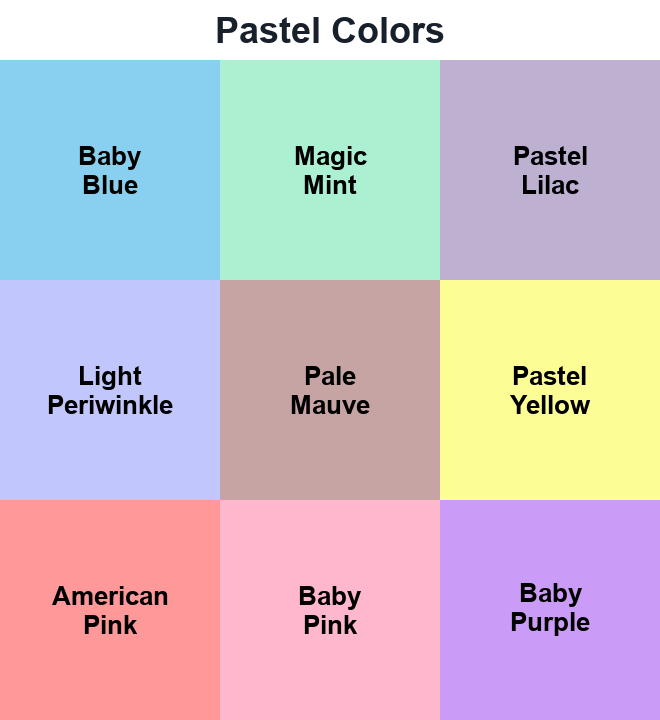
Pastels often appear in spring palettes, but pale blues, pinks and greens also suit stationery, packaging and website backgrounds throughout the year.
Pastel Color Palettes
Compare the best combination colors for the actual surface you are designing. A palette that works in an infographic may need a different balance of text and background on a website. For brighter companions alongside the pale shades, the pretty color examples include stronger greens and purples.
Pastel is a descriptive category, usually used for pale colors. The names below are reference labels for the displayed values; they are not all standard CSS color keywords.
Pastel Color Names
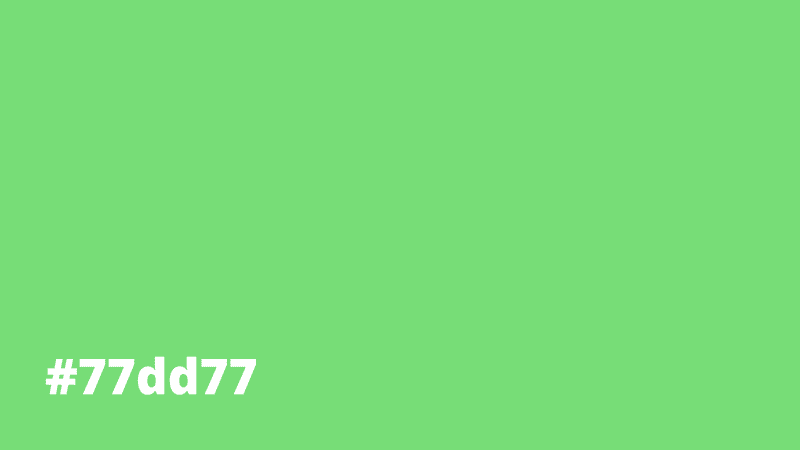
Pastel Green - #77dd77
The green sample has more color than the paler mint shades below. It can give a small label or illustration a stronger green accent.
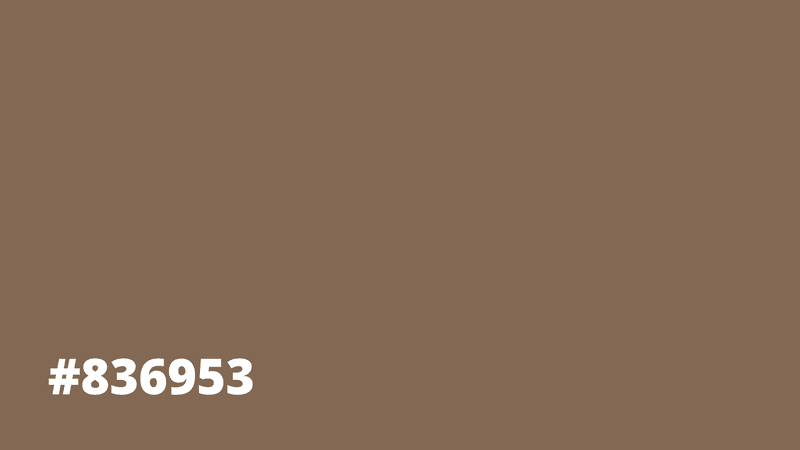
Pastel Brown - #836953
Brown #836953 is a darker companion neutral in this collection. Beside pale pink or mint, it gives the lighter colors an earthy contrast.
Baby Blue - #89CFF0
Baby Blue #89CFF0 is a light blue display sample. Beside cream it can read differently than it does beside a cool white, so compare it inside the intended layout.

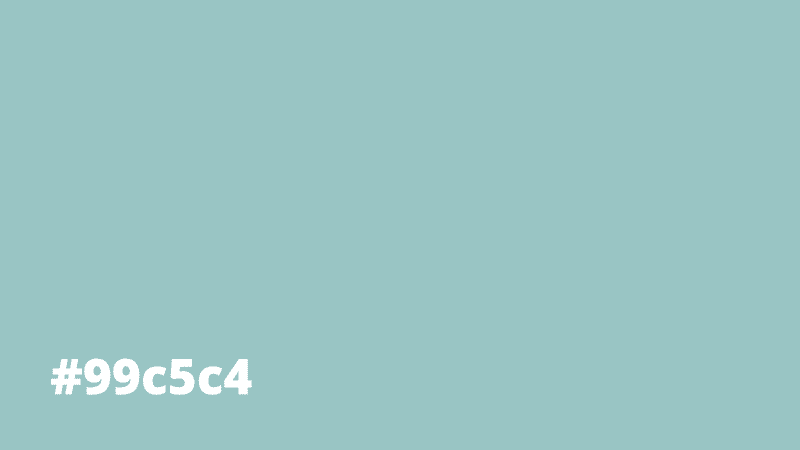
Pastel Turquoise - #99c5c4
This turquoise is muted and close to gray compared with the brighter blue-green sample below. The difference is useful when one surface needs to recede behind another.
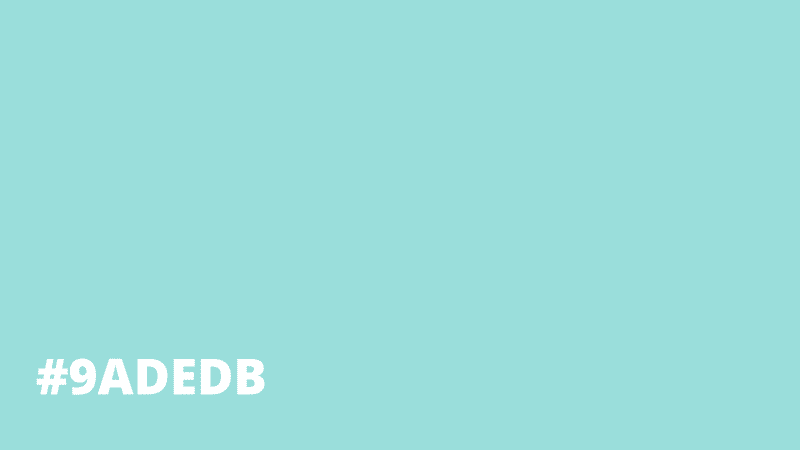
Blue Green Pastel - #9ADEDB
This blue-green is lighter and clearer than Pastel Turquoise. For an audience’s reading comfort, keep longer passages on a plain panel. A call-to-action needs a distinct edge and readable label against it.
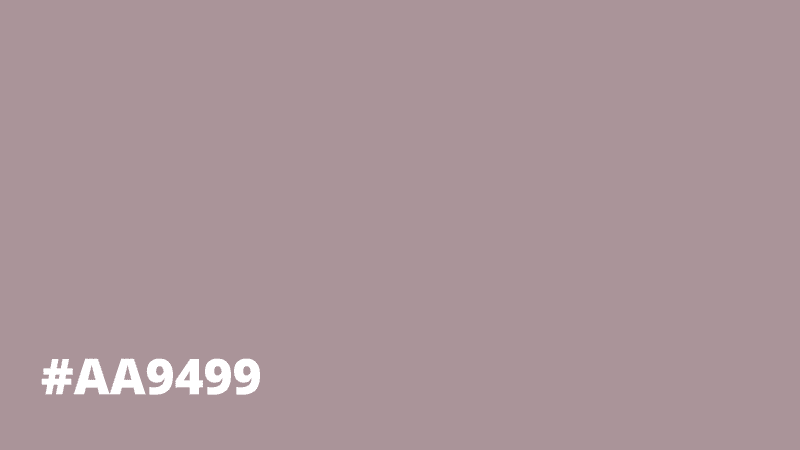
Persian Pastel - #aa9499
#AA9499 has a dusty rose-gray appearance. It sits closer to a muted rose than the blue-purple lilac.
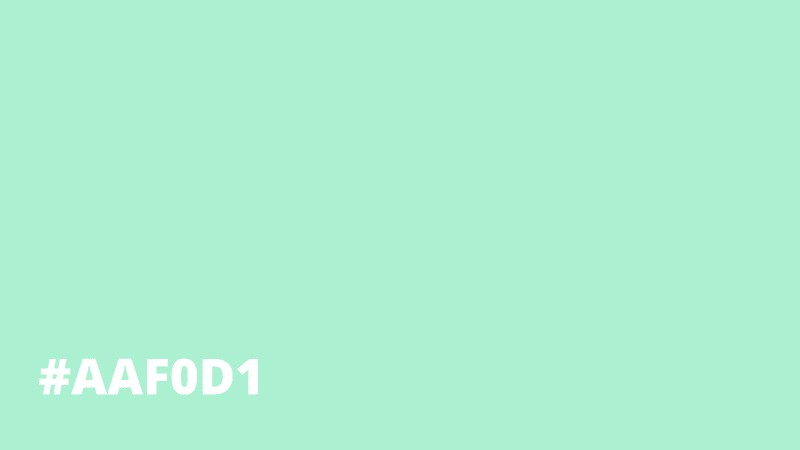
Magic Mint - #aaf0d1
Magic Mint brings a light green-blue note to the set. Warm cream makes a gentle companion, while a deep brown introduces a much darker edge.
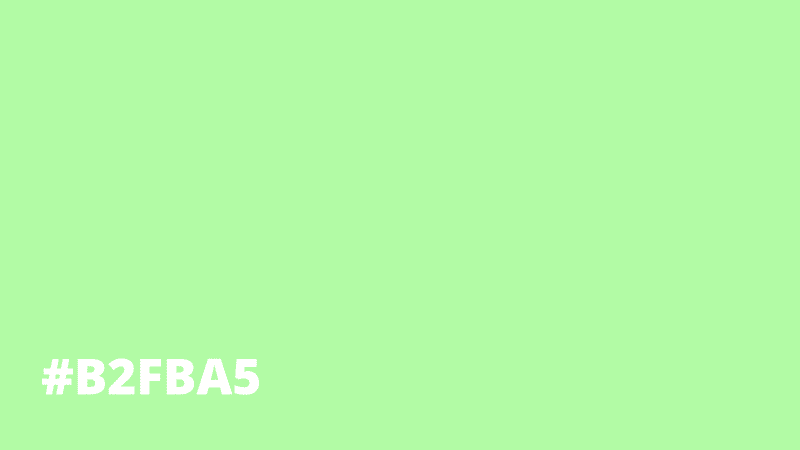
Light Pastel Green - #b2fba5
The yellow-green cast distinguishes this light sample from the cooler mint swatch. It could separate a panel from a white page, but a border may still be needed.
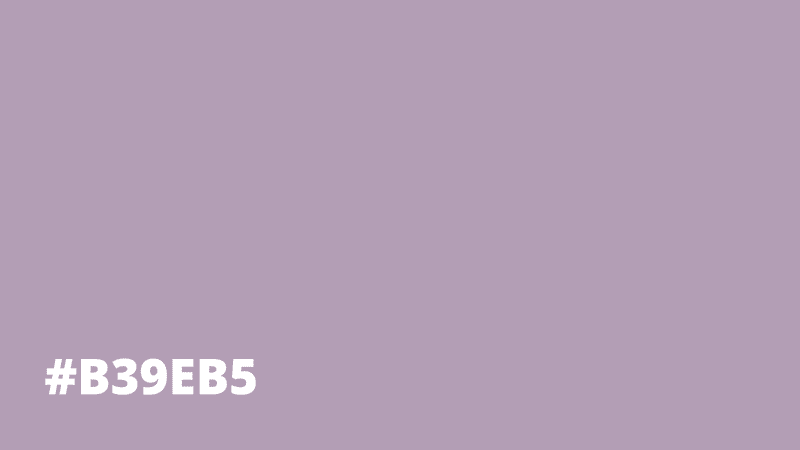
Pastel Purple - #b39eb5
This Purple is subdued rather than intensely saturated. Compare it with the brighter Baby Purple swatch when the layout needs one restrained surface and one stronger accent.
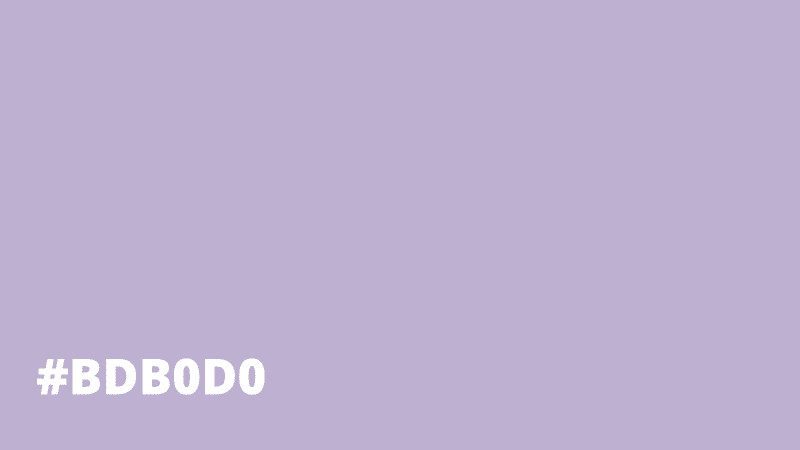
Pastel Lilac - #bdb0d0
Lilac #BDB0D0 has a muted purple cast. Beside Baby Blue it forms a cool pairing. A small peach accent can warm up the arrangement.
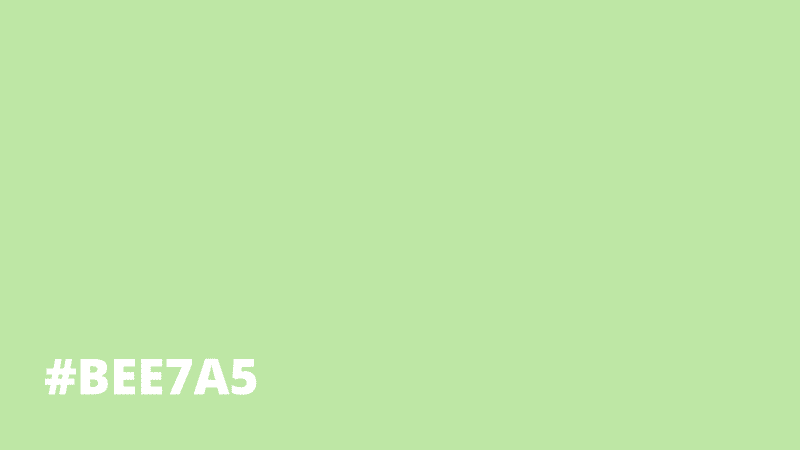
Pastel Pea - #bee7a5
Pastel Pea leans toward yellow-green. It looks warmer than Magic Mint and less vivid than Light Lime, making the three useful to compare side by side.
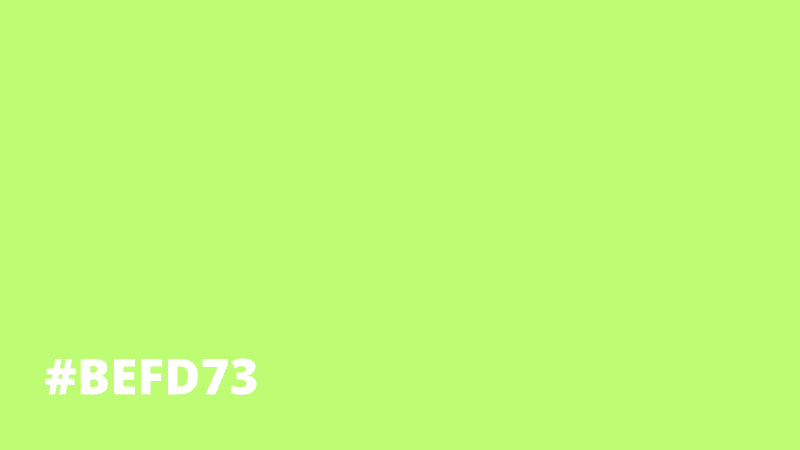
Light Lime - #befd73
Light Lime is more vivid than several of the other examples. If the goal is a quieter palette, try it as a small accent before making it the main background.
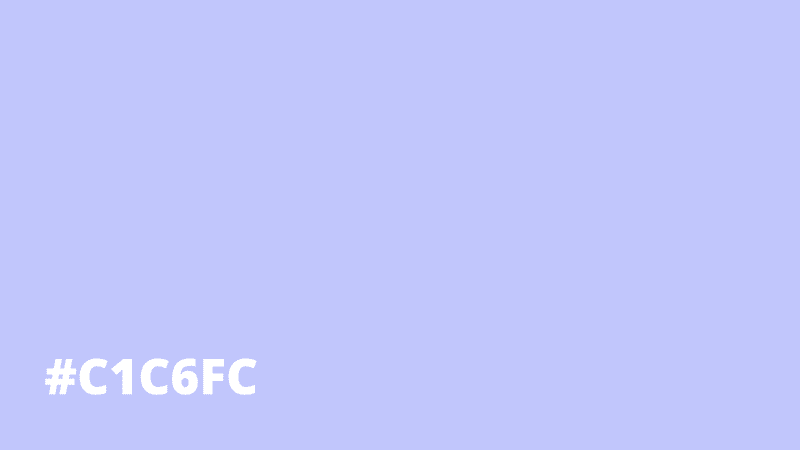
Light Periwinkle - #c1c6fc
This example sits on the blue side of violet. A warmer neighboring color can make that difference easier to see than a nearly matching blue-gray.
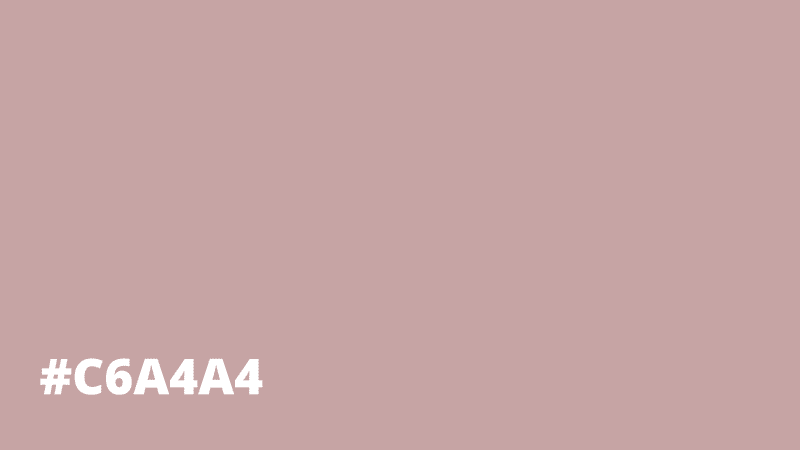
Pale Mauve - #c6a4a4
The pinkish cast is muted by gray in this sample. It can be compared with the cooler periwinkle for a palette that needs two visibly different light surfaces.
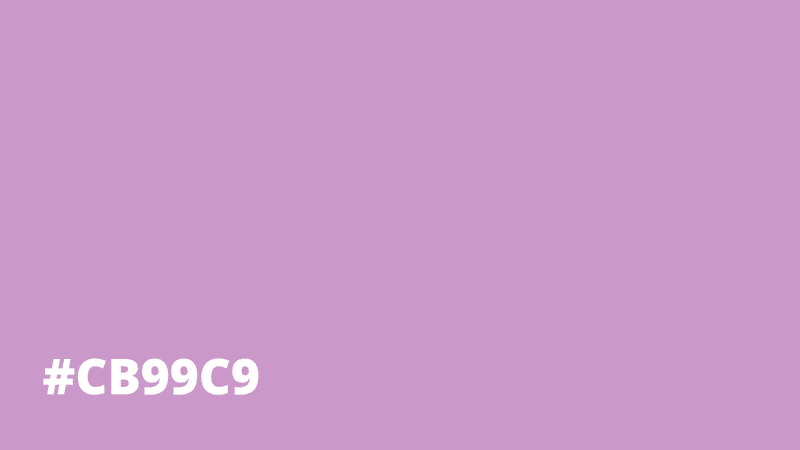
Pastel Violet - #cb99c9
This shade of purple has more pink in its appearance than Light Periwinkle. Keep it beside a blue-purple sample to see the difference.
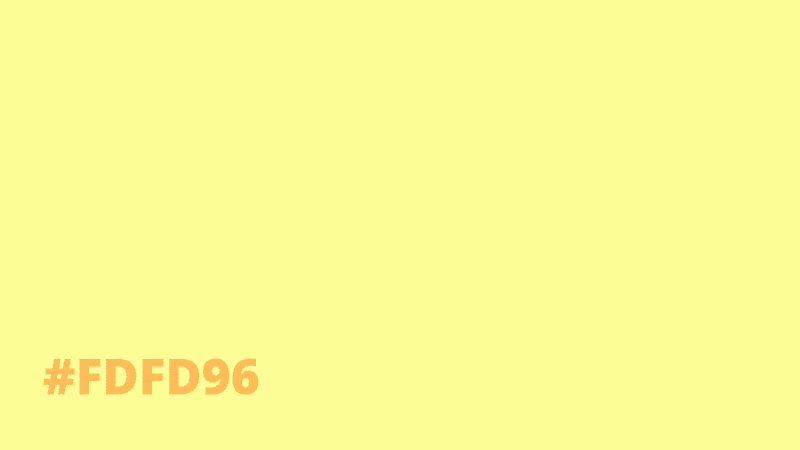
Pastel Yellow - #fdfd96
Pastel Yellow #FDFD96 is a pale, slightly creamy yellow. With lilac it makes a light warm-cool pairing; brown can supply the darker details.
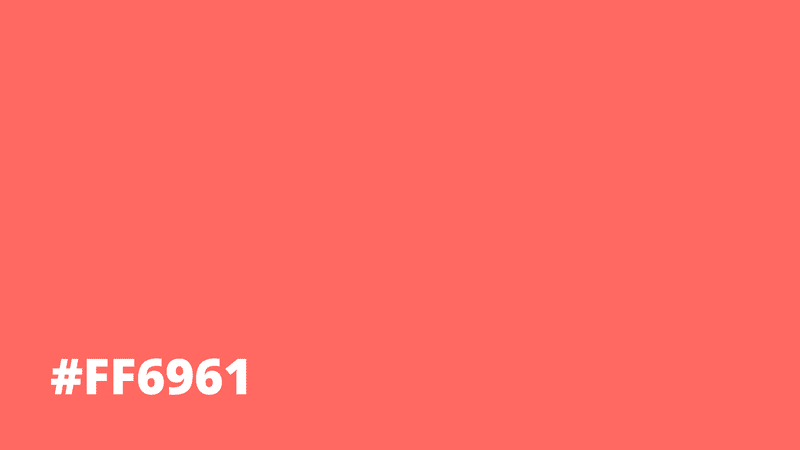
Pastel Red - #ff6961
Pastel Red #FF6961 is a warm coral-red in this set. It is stronger than Baby Pink, so a small amount can stand out among the paler swatches.
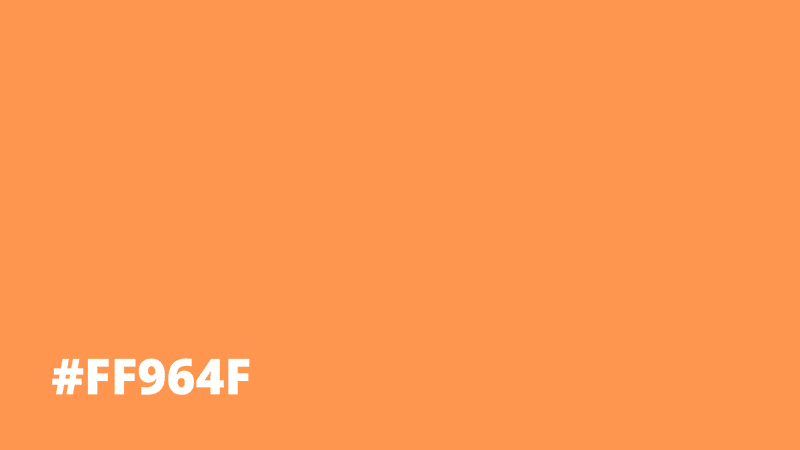
Pastel Orange - #ff964f
This orange is more saturated than most of the pastel examples. It works as a stronger accent beside mint green or a pale blue.
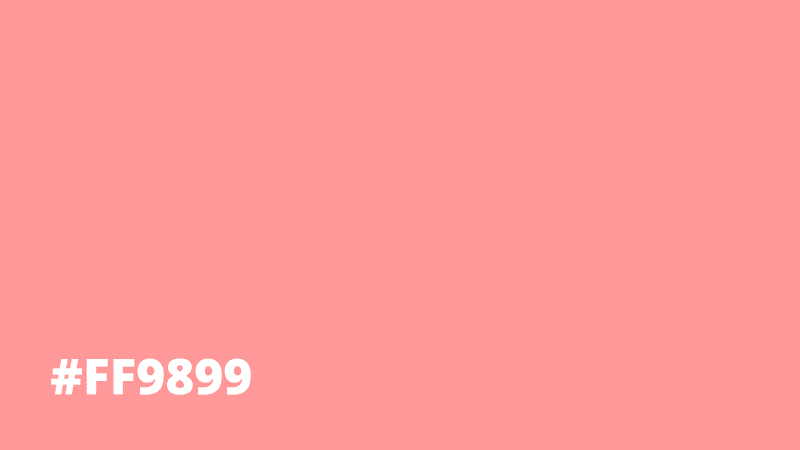
American Pink - #ff9899
American Pink #FF9899 sits between the stronger coral-red and the paler Baby Pink. It offers a warmer pink when the lightest swatch feels too faint.
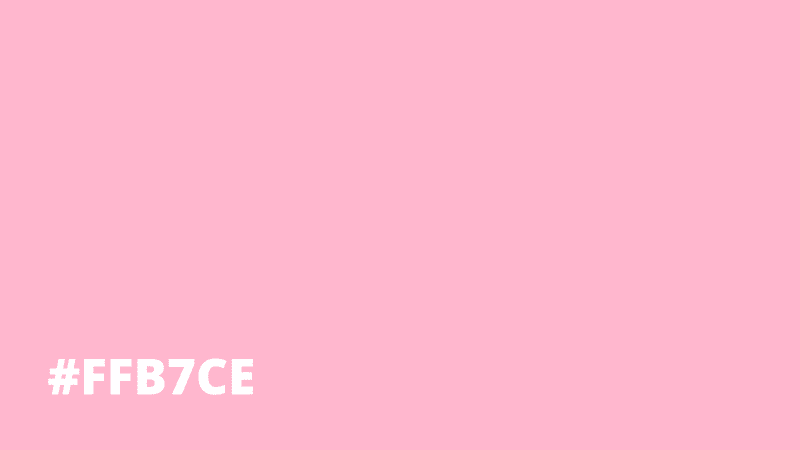
Baby Pink - #ffb7ce
Baby Pink can sit close to white in a small detail. A darker outline helps separate a pink icon or shape from a white background.
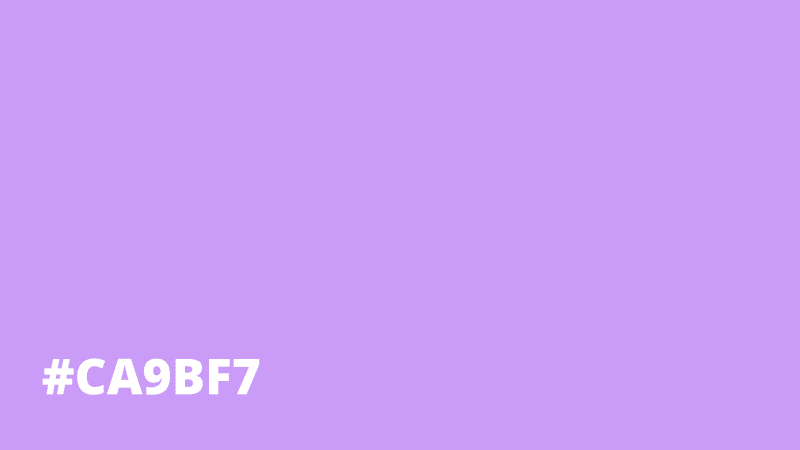
Baby Purple - #ca9bf7
Baby Purple #CA9BF7 is brighter than the dusty Pastel Purple sample. Try a small patch beside lilac before choosing which purple should lead the palette.
Pale colors need enough separation for labels and small details. Check your chosen text-background pair in the color contrast checker.
Pastel color reference table
Brown and the stronger lime, red and orange samples can serve as companion accents.
| Name | HEX |
|---|---|
| Pastel Green | #77DD77 |
| Pastel Brown | #836953 |
| Baby Blue | #89CFF0 |
| Pastel Turquoise | #99C5C4 |
| Blue Green Pastel | #9ADEDB |
| Persian Pastel | #AA9499 |
| Magic Mint | #AAF0D1 |
| Light Pastel Green | #B2FBA5 |
| Pastel Purple | #B39EB5 |
| Pastel Lilac | #BDB0D0 |
| Pastel Pea | #BEE7A5 |
| Light Lime | #BEFD73 |
| Light Periwinkle | #C1C6FC |
| Pale Mauve | #C6A4A4 |
| Pastel Violet | #CB99C9 |
| Pastel Yellow | #FDFD96 |
| Pastel Red | #FF6961 |
| Pastel Orange | #FF964F |
| American Pink | #FF9899 |
| Baby Pink | #FFB7CE |
| Baby Purple | #CA9BF7 |

For transition examples using pale colors, browse Pastel Gradients.