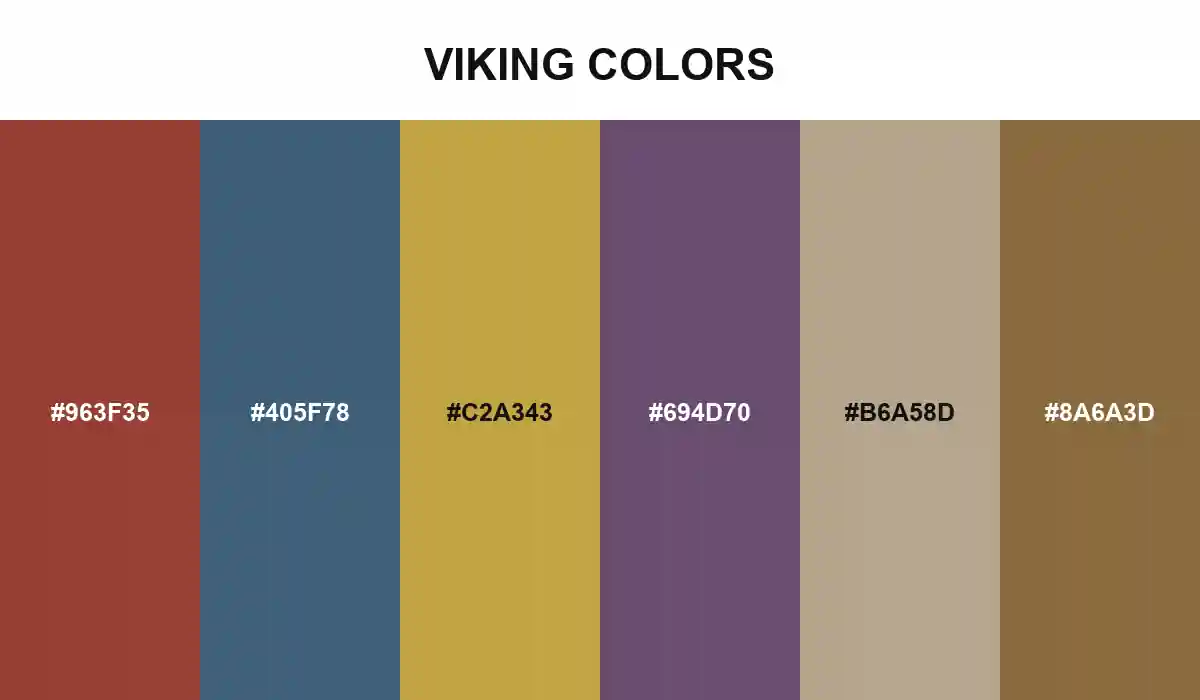
Viking Age color began as work. Madder roots supplied red, woad produced blue, weld gave yellow, and some lichens could yield purple. Every result depended on fiber, recipe, water, and time.
Vivid cloth could also reveal access to labor and trade. Undyed wool represents everyday material, while aged bronze brings the palette from textile into the metal objects worn and handled beside it.